

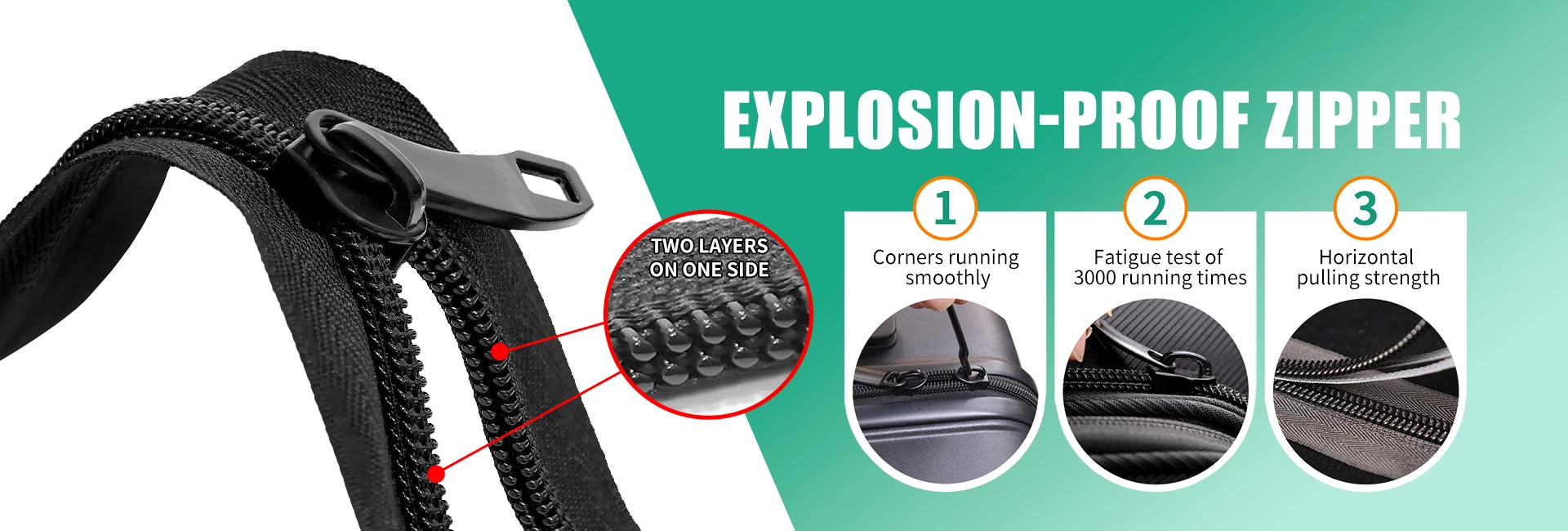
Choosing the wrong zipper for an outdoor gear product is one of the most expensive mistakes a manufacturer can make. A failed zipper on a marine canvas enclosure or a mountaineering tent doesn't just mean a warranty claim — it can put lives at risk and destroy a brand's reputation in a single season.
Whether you're sourcing zippers for boat covers, tactical backpacks, expedition tents, or heavy-duty workwear, the decision goes far beyond picking a length and a color. Here are the five factors that procurement professionals and product engineers should evaluate before placing an order.
1. Material Selection: Metal vs. Nylon vs. Molded Plastic
Each material has a distinct performance profile, and the wrong choice can lead to premature failure in the field.
- Metal Zippers (Brass / Aluminum): Highest tensile strength and heat resistance. Ideal for marine canvas, fire-resistant gear, and heavy-duty tool bags. Brass offers natural corrosion resistance and a premium look. Aluminum is lighter but less durable under repeated stress. Typical breaking strength: 60–90 kg for a #10 brass zipper.
- Coil Nylon Zippers (#5, #8, #10): Excellent flexibility and saltwater corrosion resistance. The go-to choice for wetsuits, boat enclosures, and outdoor tents. Self-healing coil design means a snag rarely ruins the zipper. Breaking strength ranges from 30 kg (#5) to 70 kg (#10).
- Molded Plastic (Vislon / Delrin): Weather-resistant with smooth operation in sand and dirt. Common on dry bags, kayak skirts, and military gear. Not recommended for high-temperature applications or sustained heavy loads.
Key takeaway: Match the material to the environment. Saltwater applications demand nylon coil or brass. High-heat environments (fire gear, engine covers) require metal. Sand and grit favor molded plastic.
2. Load Testing and Breaking Strength Standards
Don't rely on a supplier's verbal claim. Ask for documented test results against recognized standards.
Reputable manufacturers test zippers to ASTM D2061 (standard test methods for zipper strength) and ISO 9001 quality management systems. Key metrics to request:
- Crosswise strength (how much lateral force before teeth separate)
- Top stop holding strength (force required to pull the slider off the top)
- Reciprocating wear test (number of open/close cycles before failure — minimum 5,000 for industrial use)
- Salt spray test (ASTM B117, minimum 96 hours for marine-grade components)
A supplier should provide a detailed test report, not a single-line certificate. If they can't, walk away.
3. Corrosion Resistance for Outdoor and Marine Use
Outdoor gear faces rain, UV exposure, saltwater spray, and temperature swings from -20°C to +50°C. A zipper that works flawlessly in a factory in Guangdong can seize up after three months on a boat in Florida.
For marine-grade specifications, require:
- Brass teeth with anti-corrosion coating (nickel-free for saltwater compatibility)
- Stainless steel sliders (304 or 316 grade)
- UV-stabilized polyester tape (not cotton, which rots in moisture)
Ask for salt spray test certificates. A minimum of 96 hours without red rust is the baseline for marine hardware. Premium suppliers offer 200+ hours.
4. Customization Capabilities and MOQ Realities
Off-the-shelf zippers rarely fit a product perfectly. The right supplier should offer:
- Custom slider pulls with your brand logo or ergonomic shape
- Waterproof tape and sealing (PU or TPU lamination)
- Reflective or glow-in-the-dark cord pulls for tactical and safety gear
- Reverse coil or invisible zipper configurations
- Custom tape colors and printed patterns
Understand MOQ (Minimum Order Quantity) upfront. Custom slider molds may require 5,000–10,000 units. Standard colors with custom length are often available from 500 pieces. Clarify whether the supplier is a manufacturer (own tooling, in-house dyeing, weaving, and assembly) or a trader reselling from multiple factories. Direct manufacturers offer better pricing and quality control.
5. Supply Chain Reliability and Quality Assurance
A great sample means nothing if batch three arrives with inconsistent tooth spacing and flaking coating. Vet the supplier's quality infrastructure:
- In-house testing lab: Do they have tensile testers, salt spray chambers, and wear-testing machines on premises?
- Batch traceability: Can they trace a defective zipper back to a specific production lot, shift, and raw material batch?
- Third-party inspection: Do they accept SGS, Bureau Veritas, or TÜV inspection before shipment?
- Lead time transparency: Standard production runs take 15–25 days. Custom tooling adds 10–15 days. If a quote promises 7-day turnaround on custom orders, verify it's not a sample-only timeline.
Making the Right Choice
Sourcing industrial zippers is a technical procurement decision, not a commodity purchase. A $0.03 per-unit saving that leads to a 2% field failure rate will cost far more in returns, brand damage, and lost reorders than it ever saved.
Specify your requirements clearly — material, breaking strength, corrosion resistance standard, and customization needs — and only work with suppliers who can back their claims with documented test data. The zipper is often the smallest component in an outdoor gear product, but it's almost always the first point of failure.